Cornelia Lauf’s love affair with Rome stretches back across her forty years working as an art historian, and in particular to the almost three decades since she moved there with her then-husband Joseph Kosuth, one of the pioneers of Conceptual Art. The couple came to Rome in 1998, when their two daughters were of school age. They chose Rome because of its proximity to the Tuscan farm Joseph had purchased in 1971 from Giorgio Franchetti, a prominent Italian collector and brother-in-law of Cy Twombly.
From there Cornelia—also a curator and creator of artist publications—saw her love of Rome deepen: a life in art surrounded by a circle of people who understood her, while she both participated in and observed the Roman art scene as it developed and grew. Life changed in the early 2000s, and Cornelia is now married to a Sicilian farmer and architect, but maintains close contact with her first husband, who has recently relocated back to the Eternal City. Their daughters, Noëma and Klió, are based in Venice and New York, respectively. It is from a deep vantage point and sense of affinity with Italy that Cornelia offers this intimate portrait of the Roman art scene today for White Fungus: a vibrant community operating in a city steeped in resonances of the past.
Inspired by the list-based works of Conceptualism, such as Carl Andre’s tautological works, or the artist’s books Meg Cranston made while working with John Baldessari, Cornelia hopes the plethora of names here proves useful, even comforting. To help capture the Roman art scene in its contemporaneity, she has invited a voice forty years younger than her own—the Lebanese artist-curator Majd El Roumi, who is based in Rome—to create his own portrait of this community: a series of photographs of some of the key practitioners working in the city today. This intergenerational portrait—with text followed by images—presents Rome as a site of renewed relevance amidst the tumult of the current era.

On the surface, Roman institutions act like rivals, competing for artists and even curators, with at least three major exhibition spaces (Galleria Nazionale, MAXXI, and MACRO) committed more to an international contemporary mandate than to documenting regional practices. This is followed by foundations that cover a mix of local and international trends—VOLUME!, Zerynthia, Fondazione Memmo, Fondazione D’ARC, Fondazione Baruchello, Fondazione Giuliani, Tevereterno, AlbumArte, and Fondazione Nicola Del Roscio, among others, feature careful curation and thoughtful programming, some over decades.
The number of interesting contemporary art curators in Rome (many are also writers) is staggering: Maria Alicata, Giuliana Benassi, Lorenzo Benedetti, Achille Bonito Oliva, Lorenzo Bruni, Ester Coen, Cecilia Canziani, Benedetta Carpi Resmini,Giulia Ferracci, Caterina Gabelli, Cristiano Grisogoni, Anna Cestelli Guidi, Gianlorenzo Chiaraluce, Valentina Ciarallo, Alberto Dambruoso, Adrienne Drake, Vasco Forconi, Angelica Gatto, Ilaria Gianni, Caterina Iaquinta, Salvatore Lacagnina, Daniela Lancioni, Damiana Leoni, Ida Panicelli, Luca Lo Pinto, Matteo Lucchetti, Teresa Macrì, Anna Mattirolo, Massimo Minini, Costantino D’Orazio, Manuela Pacella, Anne Palopoli, Pier Paolo Pancotto, Arianna Paragallo, Claudio Parisi Presicce, Cristiana Perrella, Bartolomeo Pietromarchi, Ludovico Pratesi, Ilaria Puri Purini, Fabio Sindici, Marcello Smarrelli, Antonella Soldaini, Francesco Stocchi, Carla Subrizi, Giulia Tulino, Paola Ugolini, Saverio Verini, Shara Wasserman, Andrea Villani, and Adachiara Zevi—to name just a few I have encountered or worked with over the years. But there are many more.
The relation between artist, institution, and site is exquisitely challenged in Rome, and noteworthy installations over the last decades have often been staged in archaeological venues such as the Roman Forum (Mario Merz, Marina Abramović, Joseph Kosuth), along the Tiber (William Kentridge), the Baths of Caracalla, or on the Palatine (Daniel Buren), yielding images of striking appeal and lasting impact. I well remember Renato Nicolini, Gianni Borgna, and Monique Veaute, and their important work in bringing cultural vibration to Rome’s summers, to the banks of the Tiber, and to its nightlife.
While the presence of art hardly needs accentuating in Rome, a recent phenomenon has been the rise of “art weeks,” as promotion in a city absolutely impregnated by visual culture. Galleries engage in shared communication, taking risks and experimenting as larger institutions often cannot, and bet on art in ways that are almost diametrically opposed to the slower gait of the state-supported institutions. I’ve observed a number of these since the beginning—Carla Chiarchiaro at ADA Project, Eugenia Delfini, Ermes-Ermes, Cantadora, Indipendenza, Vicolo del Cinque, Lateral, Società delle Api, and more. There are also z2o Sara Zanin, Francesca Antonini, a gallery called “La Pulce” (The Flea), and Sant’Andrea de Scaphis, housed in a deconsecrated church and directed by Gavin Brown, whose prior galleries in Rome included an iteration with Toby Webster and Franco Noero, in a space I happily aided in locating.
Outliers on the style-meets-art situation are initiatives such as Studioli, Spazio Supernova, and a recent short-lived comet, Cosmo, in Trastevere. Matèria, in San Lorenzo, always promises interesting exhibitions; Federica Schiavo, Porto Simpatica, EDDart, AlbumArte, Francesca Antonacci, or Monitor featuring artists like Thomas Braida–are other good options. Older stalwarts include Magazzino, Galleria Valentina Bonomo, her sister, Alessandra Bonomo, Erica Ravenna, and Lorcan O’Neill, all now well-established, while the always rigorous Studio SALES di Norberto Ruggeri, in Piazza Dante, maintains an experimental feel, decade after decade. There are galleries that trade on Romanness: Tim Van Laere, from Belgium, or Gagosian, and Amanita, the latter based in New York, function almost like stage sets for what a beautiful Roman gallery should look like, for the discerning and traveling international audience, or the collector discreetly selling works on the secondary market. And then there are concept spaces like Contemporary Cluster, or the many iterations that the one-time Spazio Sette has taken.
At the core of all this, of course, are the artists, conditioning the look and feel of art-making practice: figures as varied as José Angelino, Alessia Armeni, Tomaso Binga, Paolo Canevari, Enzo Cucchi, Paola Gandolfi, Miltos Manetas, Luigi Ontani, Federico Pietrella, Alessandro Piangiamore, Giuseppe Pietroniro, Andrea Polichetti, Marco Raparelli, Andrea Salvino, Alice Schivardi, Mauro Di Silvestre, and many more. The impact of an artist based also in Bethlehem—Emily Jacir—cannot be overstated. Art fairs—often run in collaboration with Rome-based publishers such as NERO, CURA., DRAGO, Mecenate, Timeo, 10 Documents, and the like—employ editor-curators such as Lorenzo Gigotti, Adriana Polveroni, Ilaria Marotta and Andrea Baccin, or Federico Antonini to helm mainstream or experimental fairs, and other pop-up enterprises with an editorial vision. Press offices—Maria Bonmassar, Lara Facco’s agents in Rome, UC Studio, and others—provide superlative communication. Not to speak of the many many writers and critics. And then there are the art photographers, following the likes of Mimmo Capone, Massimo Piersanti, Claudio Abate: Giovanni De Angelis, Roberto Apa, Giorgio Benni, Davide Franceschini, Andrea Restello, and others.
Rome boasts several dozen foreign academies, surely one of its most unusual features and an outgrowth of its origin as the seat of the French Academy and its Rome Prize—the residue of a moment when reinterpretation of the classical and an obligatory journey to Rome were artistic mainstays. The idea of an academic education abroad is, of course, grounded in Rome’s own historic Accademia di San Luca, the second art school in Italy, founded after Giorgio Vasari established the guidelines for an artistic education in Renaissance Florence. There are many excellent studio art programs in Rome, either freestanding or situated within a larger university context—Rome’s Accademia di Belle Arti, Cabot, NABA, IED, Temple, to name a few.
This is a sketch of the Roman situation now, a thriving one, where theories of art practice prevail, where a distinct post-conceptual legacy pervades the communication and rhetoric of exhibition-making, and where shows detailing the why and how of art overwhelmingly outnumber those focused on medium- or technique-driven innovation. There’s a faith in structures and collectivity, an interest in theory, and, in the case of quite a number of younger protagonists, a clear decision to take on late capitalism and position art practice along global lines as a social endeavor—perhaps for purchase via the market, but mostly as an act of resistance and expository logic.
This Rome, which may seem Roman, actually looks back to cultural strategies plied by a group of practitioners in the pre-internet halcyon days of a global art world, when art-making was expressed through the production of physical material and through earnest exchanges—in person, in studios, galleries, or museum exhibition spaces—where an anthropological outlook, a view of photography as a readymade convention, a belief in commonality and collective projects, and a general faith that the theoretical could be an artistic expression itself were rallied. In a sense, the art system in what we see as “Rome” is really an amalgamation of many theories of what artistic practice could be, particularly as propagated by artists whose work veered between a physical and a theoretical practice, and away from painting.
In 1981, I had the interesting experience of working with prominent galleries in both Paris and New York and witnessing the simultaneous fabrication of markets for both Arte Povera and the pictorial resurgence of the Transavanguardia over the course of numerous exhibitions with artists including Giovanni Anselmo, Michelangelo Pistoletto, and Giuseppe Penone, as well as Francesco Clemente, Enzo Cucchi, and Sandro Chia. In the fulcrum of Galerie Durand-Dessert in Paris and Salvatore Ala Gallery in New York, there was both faith in the Italian nature of a conceptual/environmental/political practice, as evidenced by Arte Povera (whose Genovese chief critic, Germano Celant, worked for a new theory of art with other protagonists such as Ida Gianelli, Lia Rumma, and Marcello Rumma) and in relation to Roman galleries and collectors, inflecting the scene in Rome.
In Rome, it was possible that supporters of an Arte Povera/conceptual/post-minimal platform could also underwrite the precepts of the Transavanguardia (and even Neo-Expressionism), in a refutation of what we consider neat divisions in contemporary art. Rome was elastic. In all cases, new art and new markets were created as a deliberate antidote to the perceived stranglehold of conceptual art. In the 1980s, the systematic architects of this purported counter-movement, in my opinion, were Gian Enzo Sperone and Achille Bonito Oliva, though they were of course aided by the artists and other gallerists involved: figures such as the New York dealer Annina Nosei, who early on made the migration from Rome to New York (marrying art dealer John Weber, and then starting her own gallery), or, in New York, Angela Westwater, and in Germany, figures such as Karsten Greve, Ascan Crone, Rudolf Zwirner, or Konrad and Dorothee Fischer. Annina Nosei, the first dealer of Jean-Michel Basquiat and a Rome-trained art historian, might be the best exponent of that which is Italy and yet is the quintessence of New York, in much the same way as Massimiliano Gioni is a natural choice for director of New York City’s most important museum of contemporary art, the New Museum.
In any case, there I was, forty years ago, at the opening of Sperone Westwater Fischer’s exhibition in Soho, with a dinner at the restaurant Palio featuring Sandro Chia (who painted murals in the restaurant), Enzo Cucchi, and Francesco Clemente; during the daytime, I worked on installations by Arte Povera artists in the daytime, at the Salvatore Ala Gallery. The gallery helped forge the link between New York and Rome further by working with a group of artists living and working in the former Pastificio Cerere factory: Gianni Dessì, Bruno Ceccobelli, Giuseppe Gallo, et al., a group of figures well acquainted with Conceptualism but who had opted to work in encaustic, metal, and other decidedly material means.
It was a time of market reorientation, as deliberate as the creation of the graffiti art movement, which I also witnessed firsthand at the Ala Gallery, as well as in the streets of New York. More a “correction,” or antidote, to the perceived dogmatism and academicism of what conceptual or post-minimal art seemed to be, even though these very same graffiti artists (Fab 5 Freddy, Futura 2000) and most particularly, Jean-Michel Basquiat, were highly art history literate and used writing, photocopiers, and public media right out of the annals of conceptual art. Another kind of audience was cultivated—another public, and one that might find objects more palatable than certificates, instruction guidebooks, ephemera, filmic, written, or theory-heavy visual invocations characterizing first- and second-generation conceptual art.
However deserved the emphasis on Italian artists was, with its carefully worked-out program of exhibitions and projects in which I participated (as a researcher under Rainer Crone on the first catalogue raisonné of Francesco Clemente), the universal questions of what role art had to play in society today and what role the artist should occupy still mattered. Thus, the legacy of what became a postmodern conversation about who was entitled to speak about art, how, and why, passed to other artists, the so-called “Pictures Generation,” the Vancouver school, artists like Barbara Kruger and Louise Lawler, Richard Prince, and Sherrie Levine, united by critics such as Bill Olander, Brian Wallis, or Russell Ferguson, in examining the conditions of art-making.
Artists of first-generation conceptual art—the teaching practice of Ad Reinhardt, the tautological works of Robert Morris, early publications by Sol LeWitt (“Sentences on Conceptual Art”), as well as Joseph Kosuth, Art & Language, The Fox, Red Herring, the advent of artists’ books by artists such as Ed Ruscha, their dissemination at outlets such as Printed Matter, and the rise of interest in graphic design and institutional language (e.g., e-flux)—saw media as an art form in itself. The rise of theory as a form of art-making, and the turn to reading rooms, the archive, the investigation of media, of mapping, of gendered language, of language itself, the use of public media, the analysis of distribution networks, all in the name of art, came to define not only the art itself but, even more so, the institutions.
One can today readily find an exhibition heralding local agricultural and culinary traditions, tried-and-true topics in Fluxus and conceptual work, while at the same time featuring image-makers (see the LAVINIA series, straddling artisanal gelato, design, and art, curated by Salvatore Lacagnina). The language of administration, the use of theory to imbue mission statements, and the critical apparatus itself became a form of secondary art supporting work that no longer necessarily adheres to codes we may deem conceptual, while the invisible institutional frameworks—whether in major institutions, or galleries, or foundations—reverberate with the language of activism, revision, revolution, and change.
In these four decades as an art historian and longtime denizen of Rome, I have seen a Roman art scene that has morphed from a relatively small circle of artists, mostly centered around major figures such as Carla Accardi, Gino De Dominicis, Alighiero Boetti, Jannis Kounellis, Emilio Prini, Luigi Ontani, and their curatorial interlocutors—Adelina von Fürstenberg, Graziella Lonardi Buontempo, Achille Bonito Oliva, Laura Cherubini, Bruno Corà, Dora Stiefelmeyer, and Mario Pieroni, to name a few—gathering in unmapped but well-known locations—the Hemingway Bar, Hotel Plaza, Hotel Locarno, Hotel Raphaël, Bar Rosati, Ristorante Bolognese, Ristorante Augustea—to the present confederation of artists, curators, writers, galleries, foundations, and museums that present fare more along the lines of journals, fairs, art walks, and gallery weekends offered in other cities.
Rome has always been a city of magic, and I remember well when the appearance of one of the above artists was something of an apparition, signaling a mystical Rome that is still here today. The phalanx that is Elisabetta Benassi, Caterina Borelli, Paola Gandolfi, Diego Gualandris, Stanislao Di Giugno, Giuseppe Pietroniro, Alessandro Piangiamore, Cesare Pietroiusti, Rä di Martino, Donatella Landi, Marco Raparelli, Nicola Pecoraro, Pietro Ruffo, Andrea Salvino, Andrea Salvini, Marco Tirelli, Donatella Spaziani, Valeria Sanguini, Alice Schivardi, Carola Spadoni, Nunzio, et al.—no less imaginative than their ’80s forbears but possibly looser in their interpretation of acceptable artistic media. They all concur in a discussion of what art could be and how it can function in society. And their presence makes this city live.
Institutions like the MACRO, under the direction of Luca Lo Pinto and now Cristiana Perrella, have been organizations addressing curatorial practice in near-artistic terms. In some ways, it is the institutions and their choice of curators that have taken on the project of a conceptual, political, linguistic praxis. Art academies in Rome, or nearby L'Aquila, maintain practices in traditional artistic categories such as painting or sculpture while inculcating their students in the theoretical arguments around use, ownership, and identity—in particular, raising questions of who? and why? in relation to art. Whether in conferences on agriculture at Fondazione Baruchello or in lecture series at NABA on decolonization or feminist practice, it is political questions and issues of justice that stand alongside questions of materials. It is this interesting and widespread tendency in the Roman art world of today that feels so very familiar historically.
In New York, pre-internet, and with inexpensive travel, it was a consortium of figures in academies such as the School of Visual Arts, the New School, at CUNY, or Hunter, or in self-appointed collectives, who framed the discussion of how to read art. Without rehearsing the well-known anthology of figures spearheading this, I would like to think that the contribution of my editorial and arts management skills and Joseph Kosuth’s artistic practice in Rome in the late 1990s, helped shape a new institutional language for the city, as it presented post-conceptual and conceptual models of the artist’s studio. To that end, the Kosuth studio in Rome, initially peopled by artists including Giuseppe Pietroniro and Wolfgang Berkowski, and later by writer/curator figures such as Filipa Ramos, Adrienne Drake, Athena Panni, and others, set a standard in knowledge dissemination and for the nature of studio production within a conceptually based practice.
Initially, Joseph’s studio was located in a part of Palazzo Pasolini Dall’Onda (where we lived), above the former stable areas that now house Galleria Lorcan O'Neill. Why was Kosuth’s studio already painted gray thirty years ago with black floors and metal filing cabinets? Why did this industrial “factory” aesthetic become a way of presenting art in art spaces? Starting with Andy Warhol’s Factory and the colonization of downtown New York City lofts, through the Crex Collection in an abandoned factory in Schaffhausen, Switzerland, and on to the Dia Art Foundation, the allusion to factory labor was united with a belief that the social, geopolitical, and material conditions of humankind had to be addressed as part of art’s inquiry. This was part and parcel of the art thinking propagated by Kosuth and his reading of philosophy—the “reading room” was, to my eye, a form of performance art. In fact, Joseph’s many contributions to the very shape of art practice today still deserve enlisting, but in substance, I think his innate ability to galvanize a conceptually oriented, theory-oriented critical “scene” in lifestyle terms was a lasting contribution to that which was first our presence in New York, then Belgium (where we also lived for ten years), and then Rome..
In New York, Joseph’s classes at the School of Visual Arts included artists as varied as Clegg & Guttmann, Mark Dion, Andrea Fraser, Fareed Armaly, Gregg Bordowitz, Jenny Holzer, Keith Haring, Rirkrit Tiravanija, Jennifer Golub, and Group Material as an entire class itself, with Felix Gonzalez-Torres’ practice directly developing out of Joseph’s inner artistic circle. All their practices were forms of communication—a different kind of art production that made natural segues from billboard to subway art, from newspaper insertions to media practice, from anthropology and social theory to social practice, and so on. Materials for art-making were the actual materials of literature and criticism. Critical practice was simultaneously both the material and the location of art-making. They were an utterly international group, not divided by nationality or ethnicity, just artists, New York-based at the time.
In the early years in which I lived in Rome, it was the work of artists like Carla Accardi, Gino De Dominicis, and Alighiero Boetti that held sway, though their material production and actual physical studios (Gino had a small bell on his desk with which to call a female assistant) did not influence other artists or nascent exhibition structures as did the theory machine of Joseph’s atelier. Joseph’s production process—its emphasis on editorial practice, on infiltration of media, on group practice, on the use of readymades and delegation to create artworks—left a lasting mark on the general artistic milieu in Italy, helping determine the look of what a conceptual artist’s studio should be, much as it was influential in New York, where a wide panoply of artists, particularly from the generation of Jeff Koons, Haim Steinbach, Robert Gober, Sherrie Levine, Cindy Sherman, Barbara Kruger, adopted practices situated between the production of objects and the administration of critical theory.
Before meeting Joseph, I was inspired in particular by the feminist theories of Victor Burgin, the poetic practices of Marcel Broodthaers, and Dan Flavin. The critical exposés of Hans Haacke seemed drily acute analyses of art and, by extension, society. I had worked with François Morellet of GRAV and understood the “short circuit” in a tube of neon or fluorescent light as non-materials that simply “were.” In the work of Joseph, however, I found a synthesis of theory and effortless grace: an ability to create a visual syntax and calligraphy that appeals globally for its ability to create pictures of words—more like Chinese characters and Sufi poetry than language art. Divorce notwithstanding, I am still a believer.
My own ability to create editorial and art historical logic isn’t the point of this essay, but one of the areas I believe I contributed to was the creation of a conceptual art lifestyle via interior design—mental industry and intellectual production staged as a life aesthetic emanating rhizomatically from the Soho loft I shared with Joseph at 591 Broadway. With the furniture I largely chose, we created both content and stylistic innovation, I feel, by simply installing what Benjamin Buchloh called an “aesthetics of administration”—file cabinets, Xerox machine, well-organized antique library, and archive—as props in the décor of a conceptual artist’s “idea garage” (to quote Joseph’s Cleveland-based teacher, Ed Mieczkowski, of the Anonima Group).
Andy Warhol was one of Joseph’s first supporters, and Joseph knew the layout of the silvery Factory well, but his was a very different generation conceptually, even if Interview was initially run by Andy and Joseph’s closest friend, Glenn O’Brien. Joseph’s dry and industrial office aesthetic from New York was replicated by us in Belgium and Rome and, on some level, I hope to suggest, helped set in place what an artist’s studio can look like when grounded in theoretical enterprise. Surely, working on Wall Street as a secretary in temp jobs while I was in graduate school, stood me in good stead for the organization of these various studios.
So… Roman contemporary art? To my eye, it is as much Roman as it is New York, with New York as Italian as it is “American.” I’m for a passportless way of reading art as a global phenomenon, with currents of high-frequency conversation, much as the “telephone art” of Ken Friedman (1967) or Walter De Maria (1967) long ago made clear the obsolescence of space and time.
A map of the once-united continents, Pangea, far better illustrates how art really functions and the relativity with which time and spaceless dialogue exist. I never felt that the fabulous city of New York was so far from Rome, or vice versa, even after almost thirty years of living in Rome. The same conversations still come up, and the key, of course, is the shaping of ideas and whose shape matters most and longest, telling truths that do not change. Through a web of relations, these conclusions are somehow axioms, fixed in meaning. I can’t even really explain why. But as a place, Rome is closer to Tyre than to Toronto, closer to Marrakech than to Munich, and yet utterly linked to practices in Soho from the 1960s on.
Rome is in a very interesting position today. It can avail itself of material culture linked to Asia and Africa since earliest times—whether ancient Indian figurines found along merchant paths, spices and herbs still in use today, Doric columns, or the presence of Eastern mystery cults. It hosts a tolerant and democratic culture, the direct heir of Athens, where archaeology and excavations by the Soprintendenza Speciale di Roma seem like contemporary art. With a climate conducive to the creation of bounty, as the close relation between farming and art in Rome has always attested, Rome can speak local languages with the wisdom of millennia and claim witness to the wax and wane of power, as few other cities can. It’s a place and a concept from which to speak of diversity and dialogue, of balance. And to this end, an international artistic scene—one that Rome can easily muster—is of the most pressing essence today. A borderless allegiance to freedom in ideas. It matters that Rome can exist in Taiwan, especially in words and images on a page.

Jerico Cabrera Carandang

Benedetta Carpi De Resmini
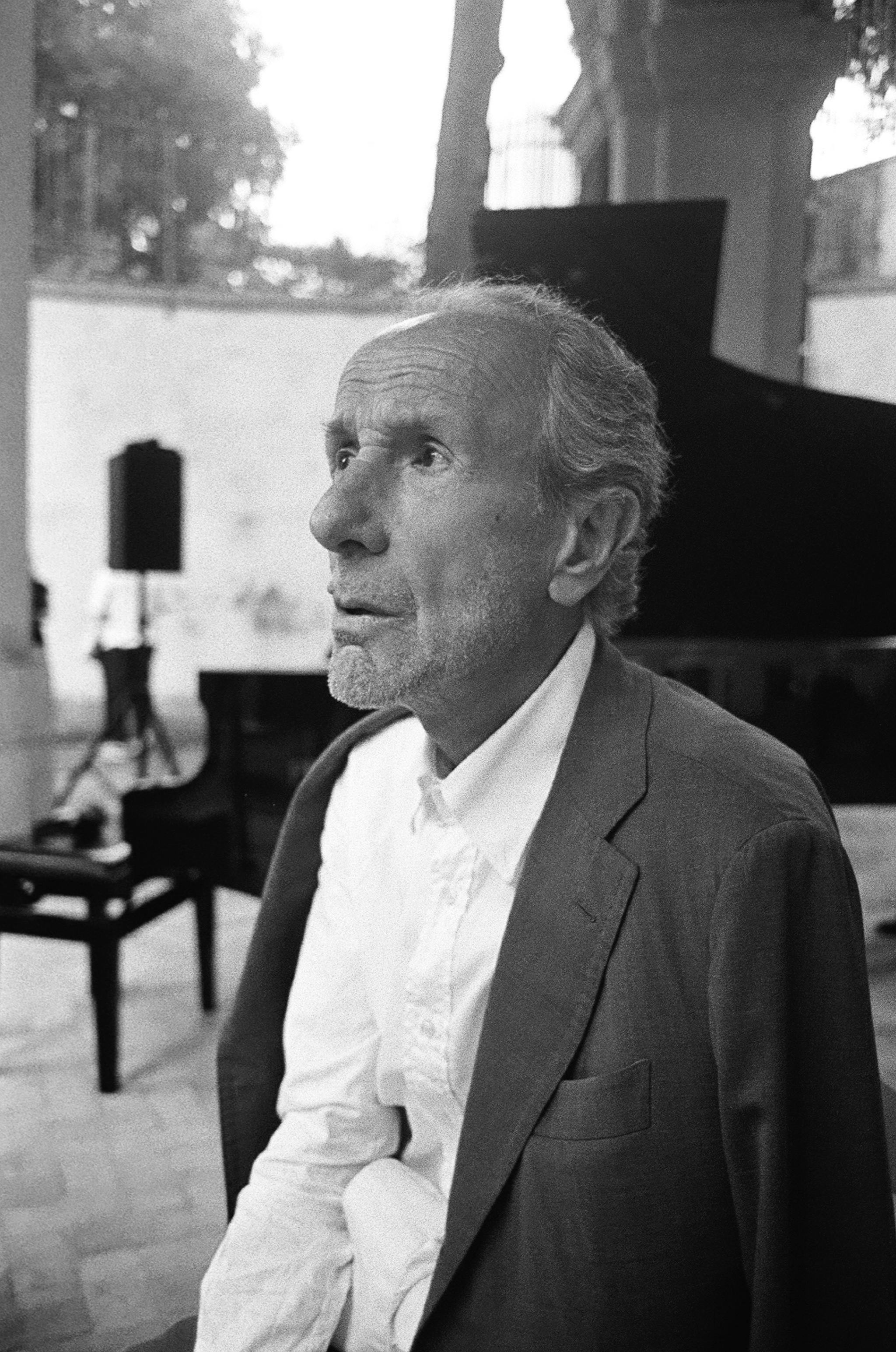
Enzo Cucchi
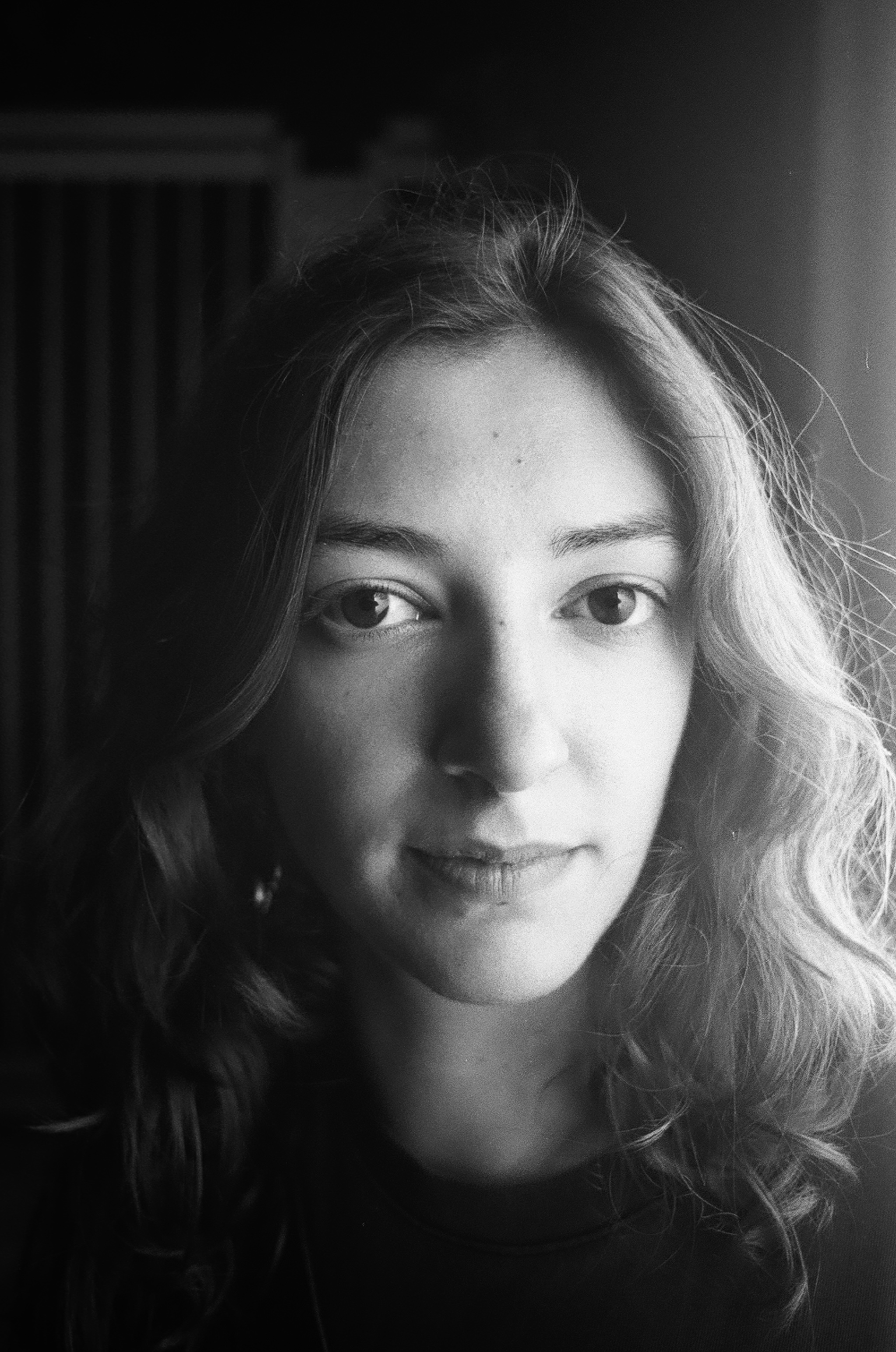
Joana Amil Cruz

Vasco Forconi
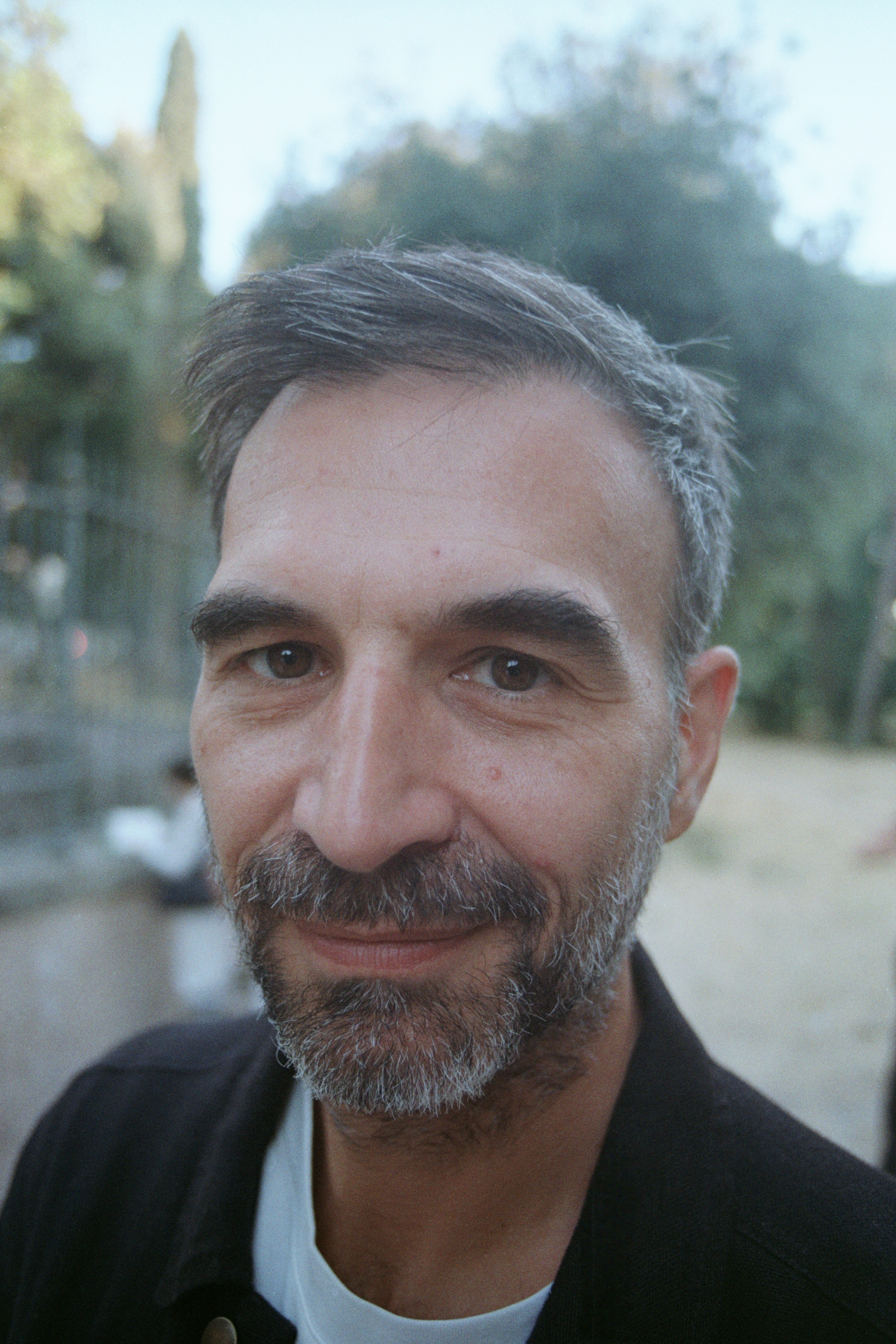
Lorenzo Gigotti
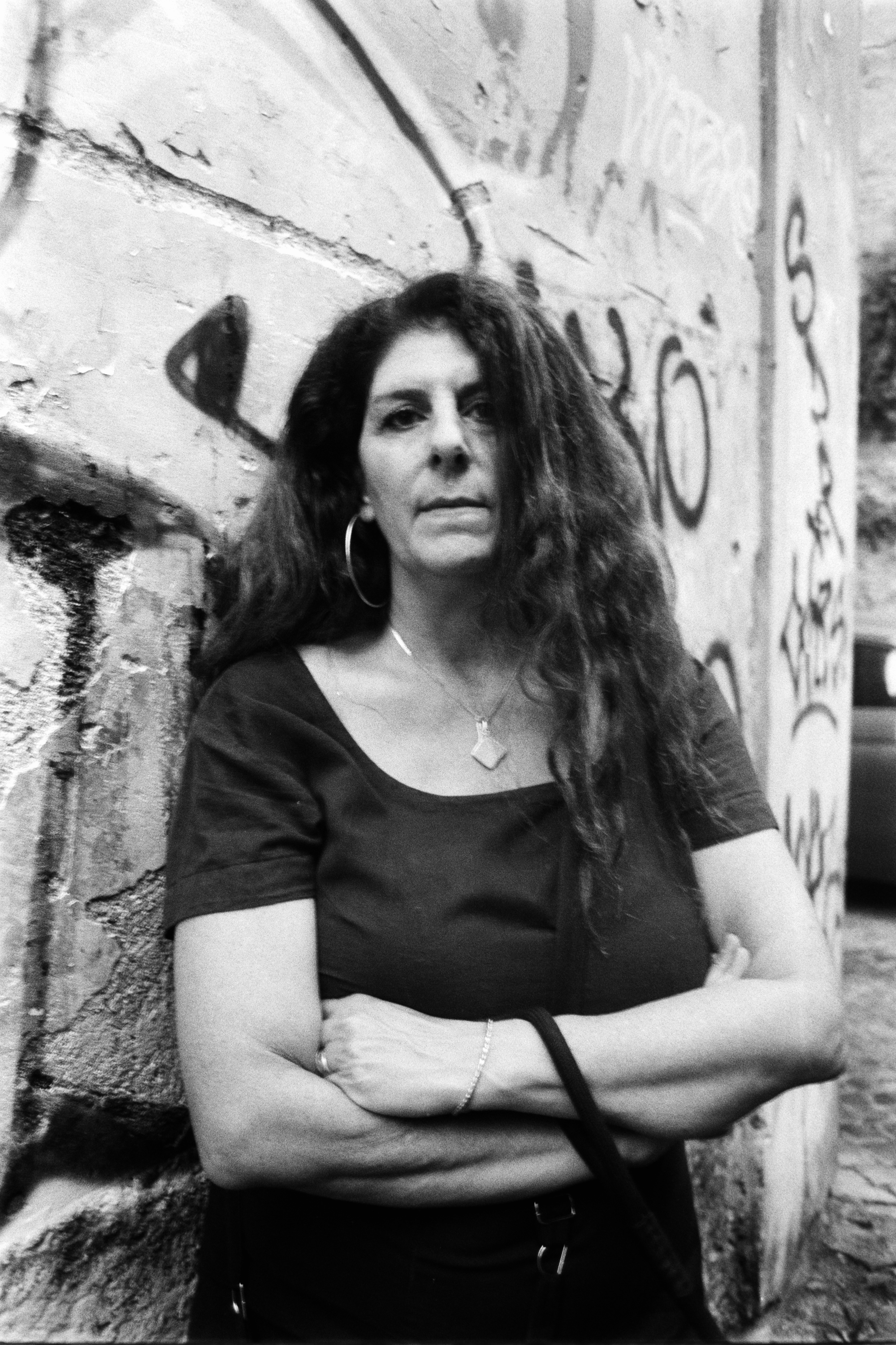
Emily Jacir

Dalija Kaukėnaitė

Joseph Kosuth

Salvatore Lacagnina
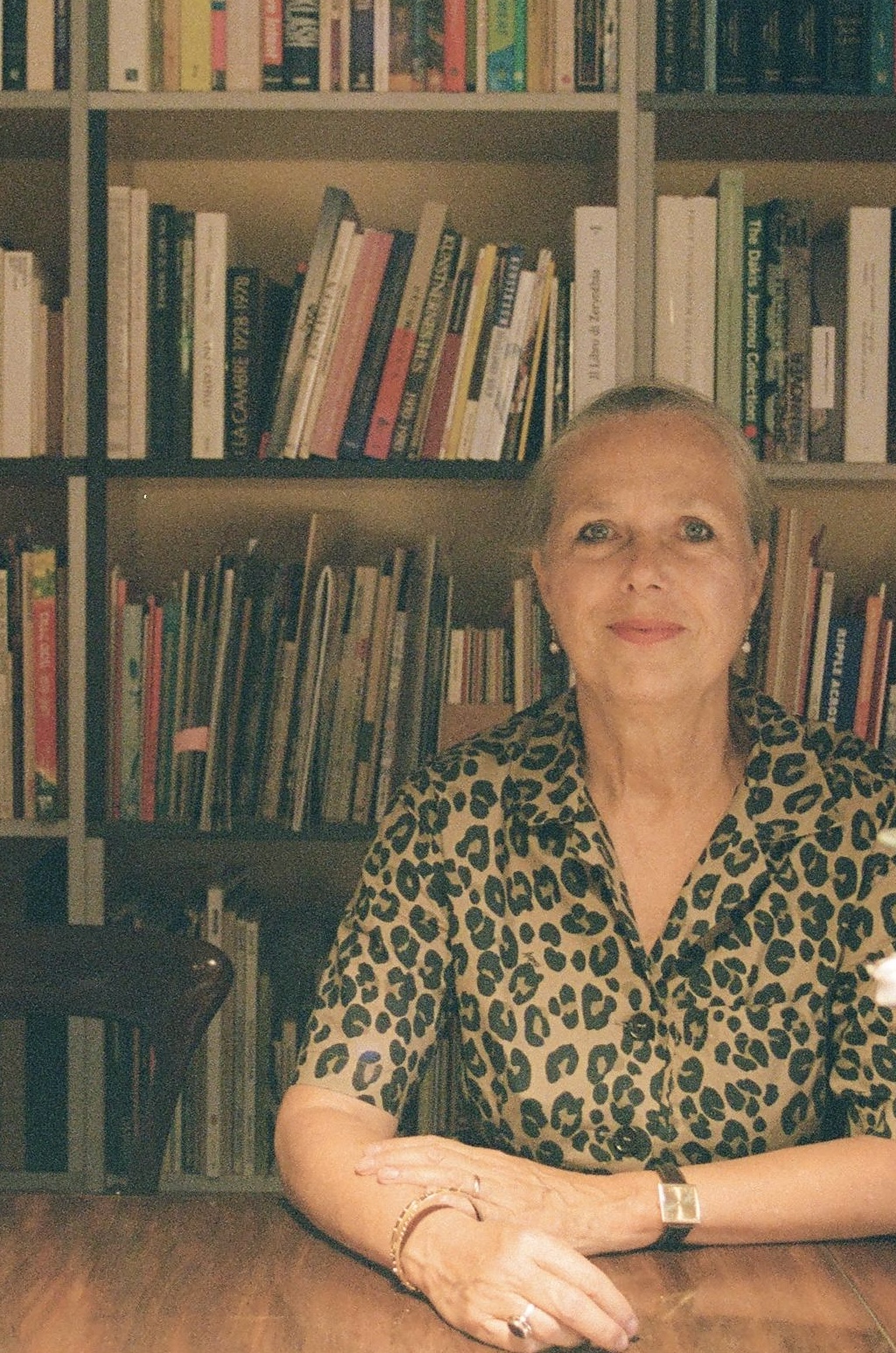
Cornelia Lauf
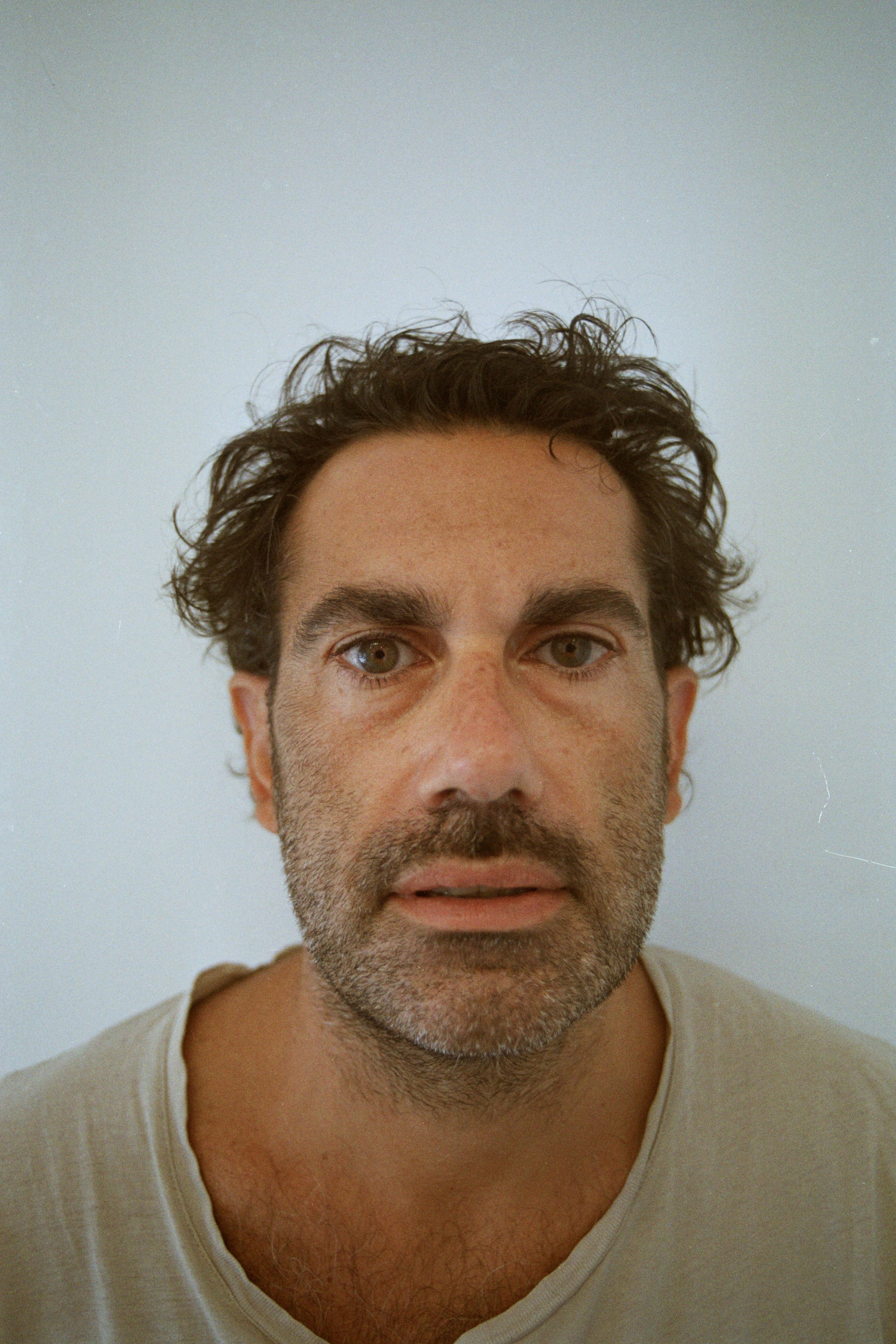
Luca Lo Pinto

Maripol

Flavio Michele and Ginevra Ludovici
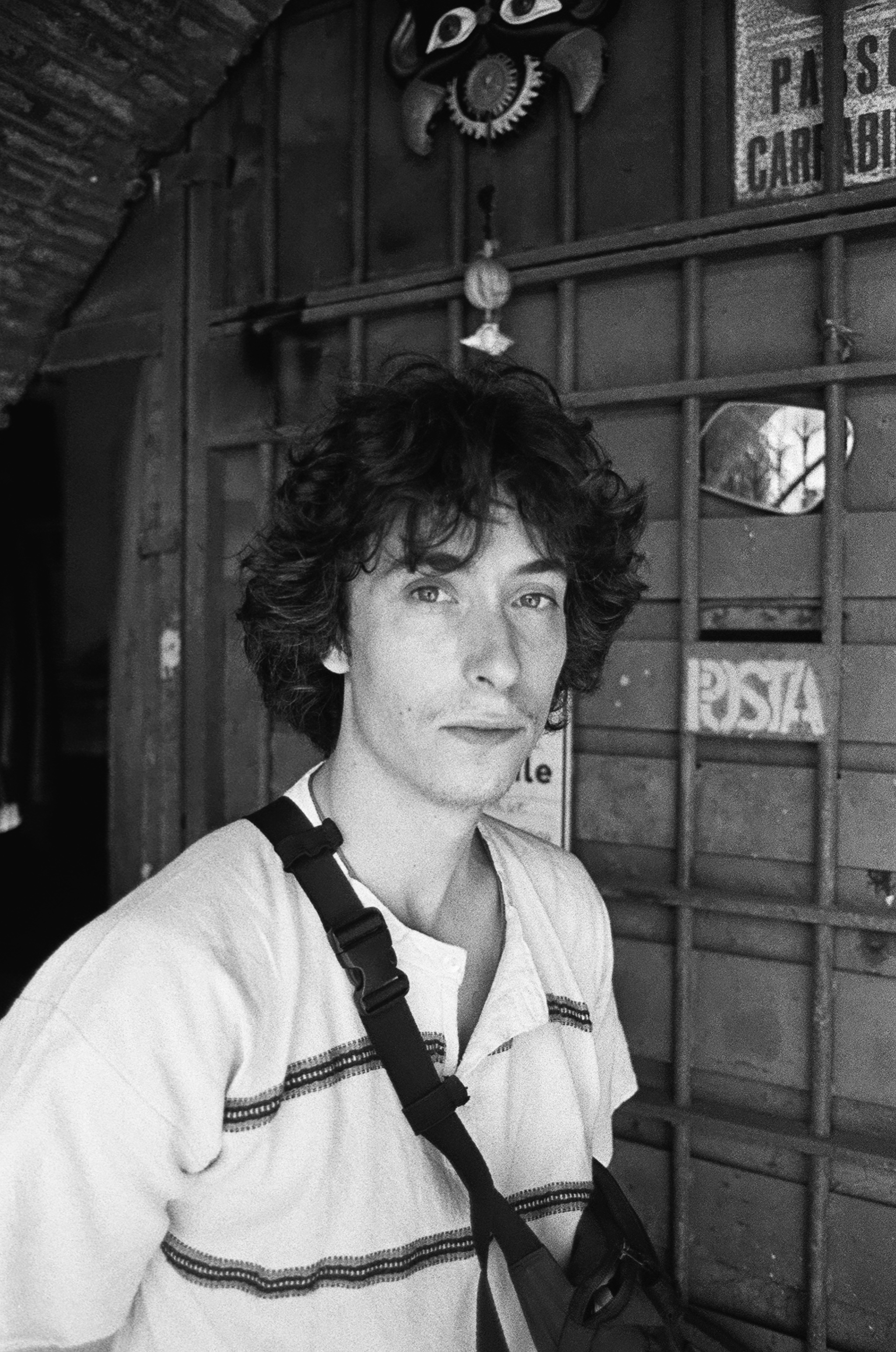
Arthur Rabut
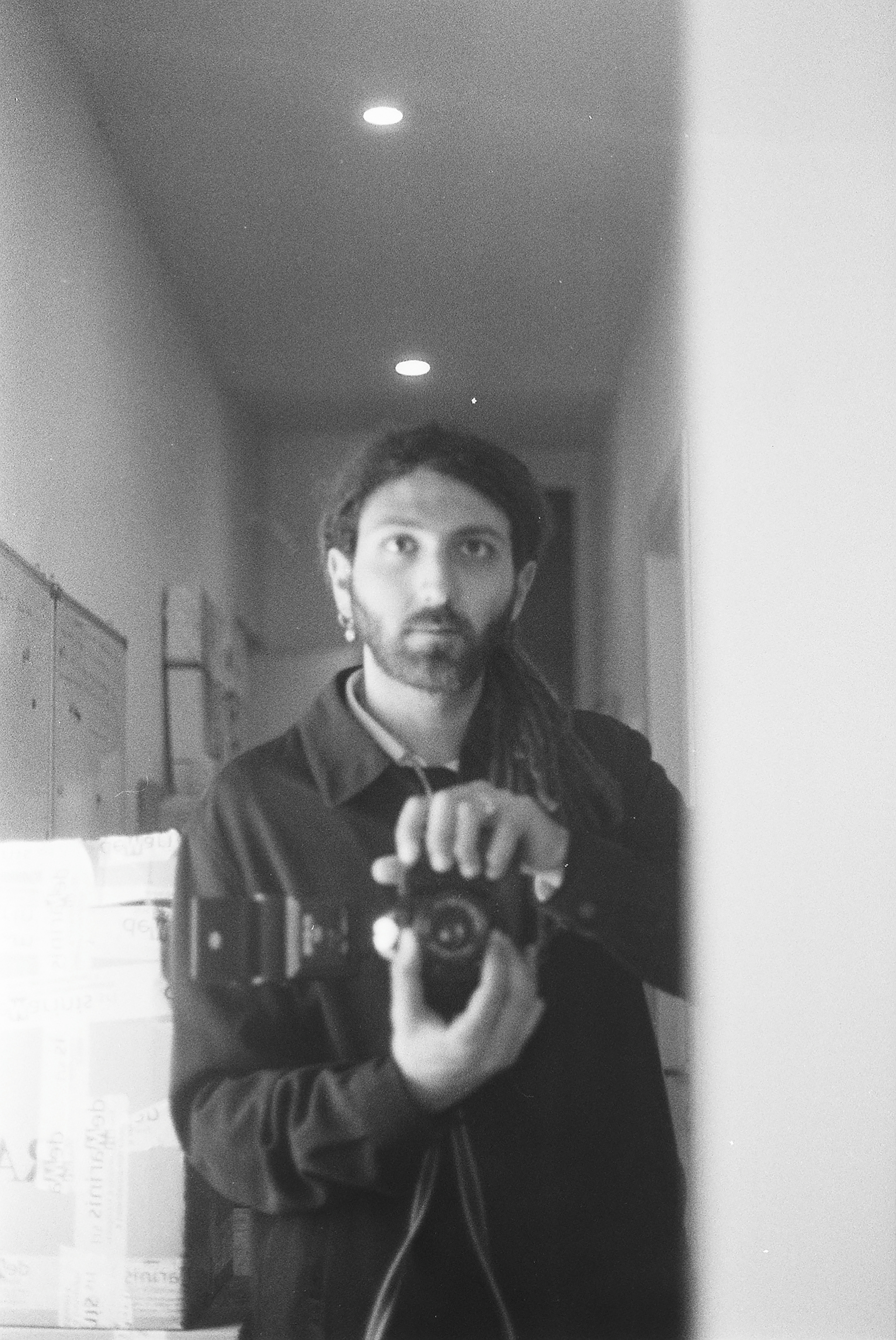
Majd El Roumi, self portrait
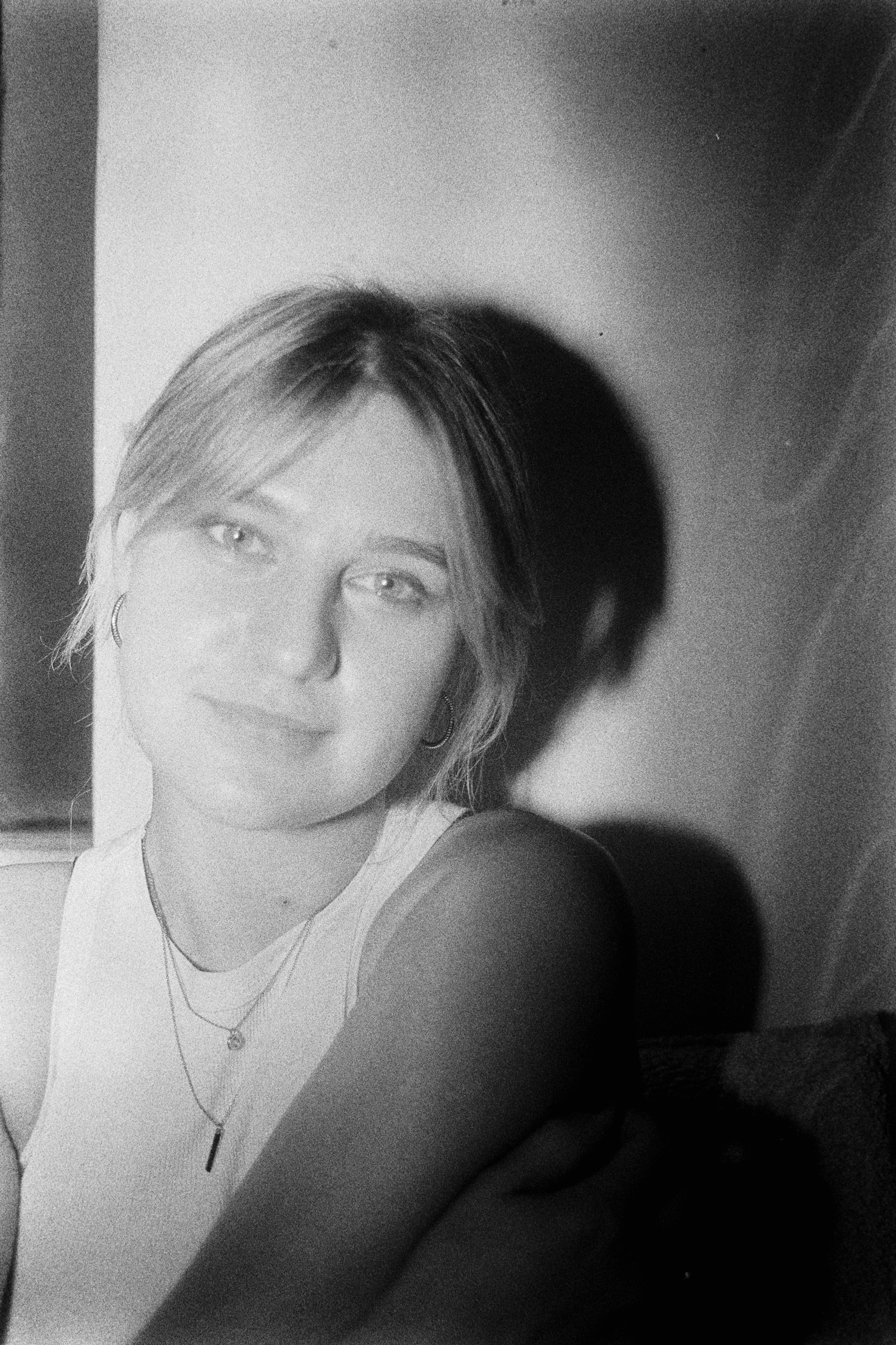
Kateryna Sopelkina

Emma Vianello


